[Abstract]
Over the past decade, European football has undergone a structural ownership revolution. Once the exclusive domain of wealthy local magnates and sovereign-backed entities absorbing losses for prestige, elite clubs have become contested terrain for institutional capital. This paper examines the convergence of forces including pandemic-induced distress, operational inefficiency, inelastic fan loyalty and the untapped commercial frontier that have made top-tier football clubs a compelling alternative asset class for Private Equity funds.
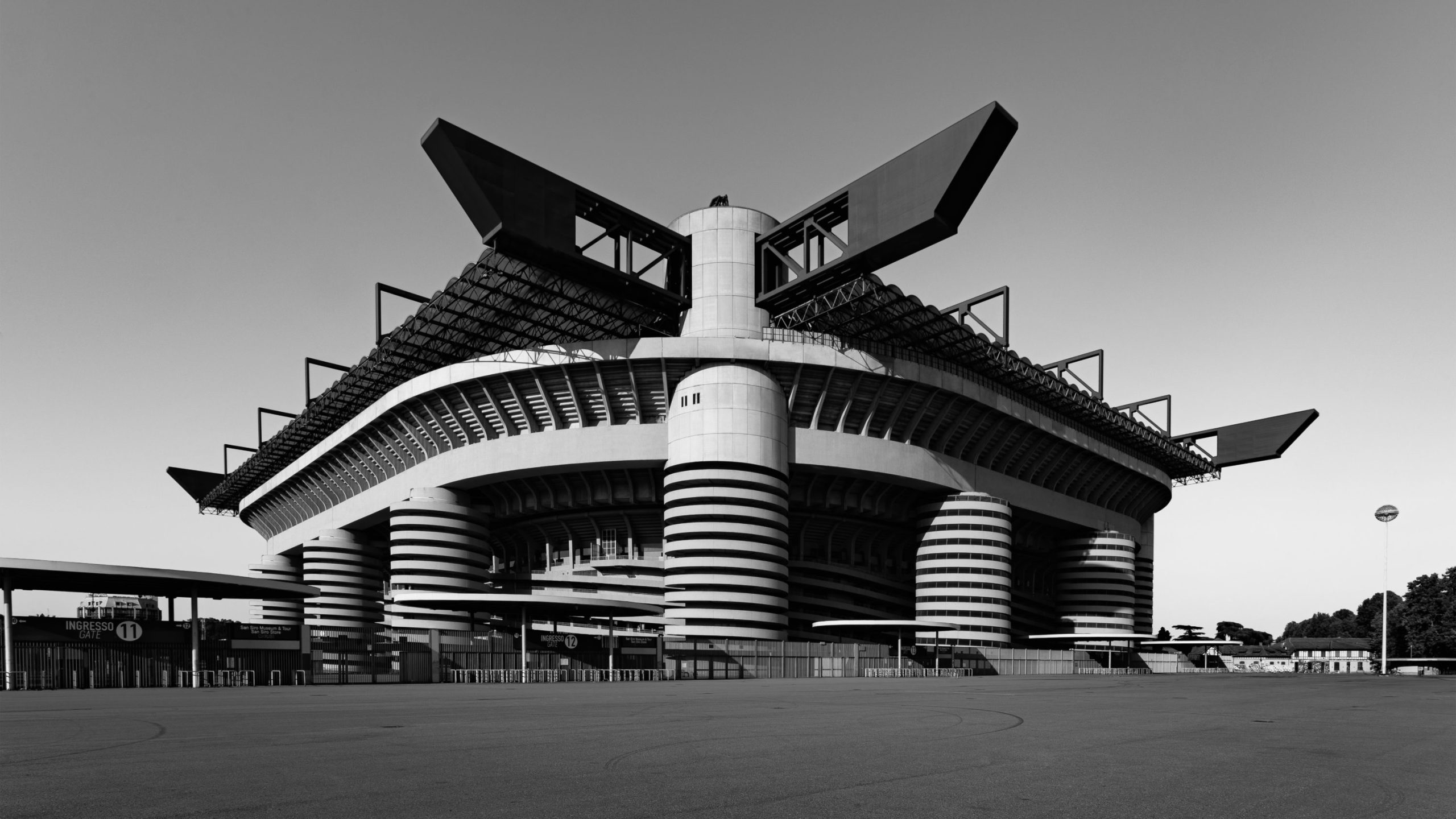
Drawing on four case studies spanning distinct investment frameworks, FC Internazionale Milano’s Loan-to-Own restructuring under Oaktree Capital, AC Milan’s growth-oriented media buyout by RedBird Capital and Chelsea FC’s cautionary tale of hyper-aggressive talent acquisition, the paper maps the conditions under which institutional capital creates or destroys value in the sport. A central argument is that stadium ownership, not transfer market activity, is the defining variable separating clubs capable of scaling their revenues from those structurally capped by municipal rents and ageing infrastructure. The Italian Serie A’s infrastructure deficit serves as the sharpest illustration of this constraint.
The paper further analyses how PE funds monetize these investments, covering exit routes from secondary buyouts and trophy asset trade sales to OpCo/PropCo real estate splits and dividend recapitalizations, drawing explicit parallels to the PE playbook in enterprise software, luxury retail and hospitality. The conclusion argues that Private Equity is structurally compatible with football, but only when it functions as a catalyst for infrastructure development and commercial rationalization and not as a speculator on sporting outcomes.
Authors: Davide De Lucchi, Alessandro Laveder
No responses yet